How POS Systems Are Shaping the Future of Retail
Discover how modern POS systems are transforming retail operations through faster checkout, digital payments, inventory management, and improved sales tracking. Explore their growing role in Indian retail, restaurants, hospitals, and small businesses.
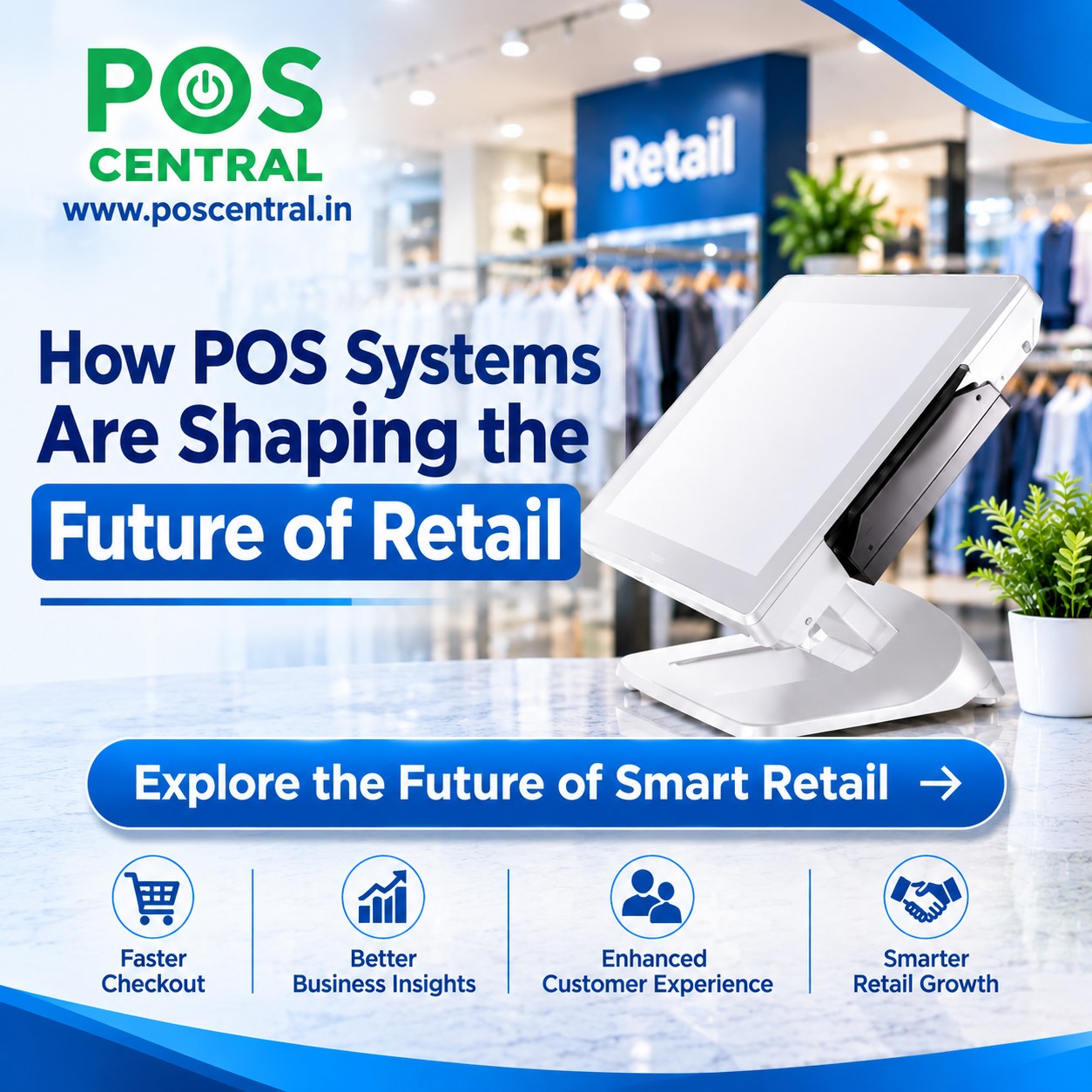


Retail businesses are changing the way they manage sales, payments, inventory, and customer service. As shopping habits evolve, traditional billing methods are no longer enough to handle every business requirement. A modern POS system helps retailers manage daily transactions, track products, and maintain better control over store operations. From small shops to supermarkets and restaurants, POS technology is becoming an important part of business management. In India, growing digital payment usage and the need for faster checkout experiences are making POS systems increasingly relevant to modern retail.
What Is a POS System and How Does It Work?
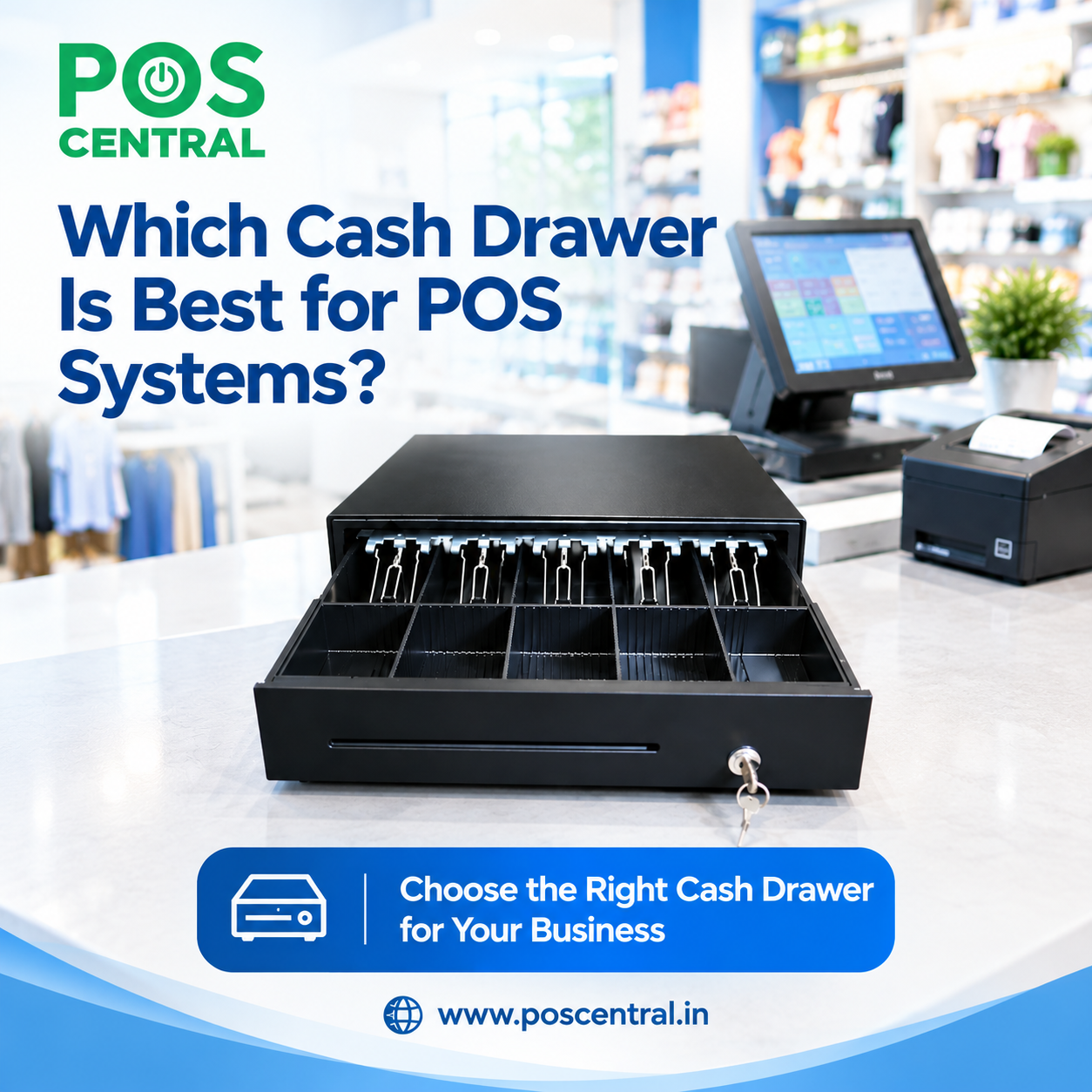
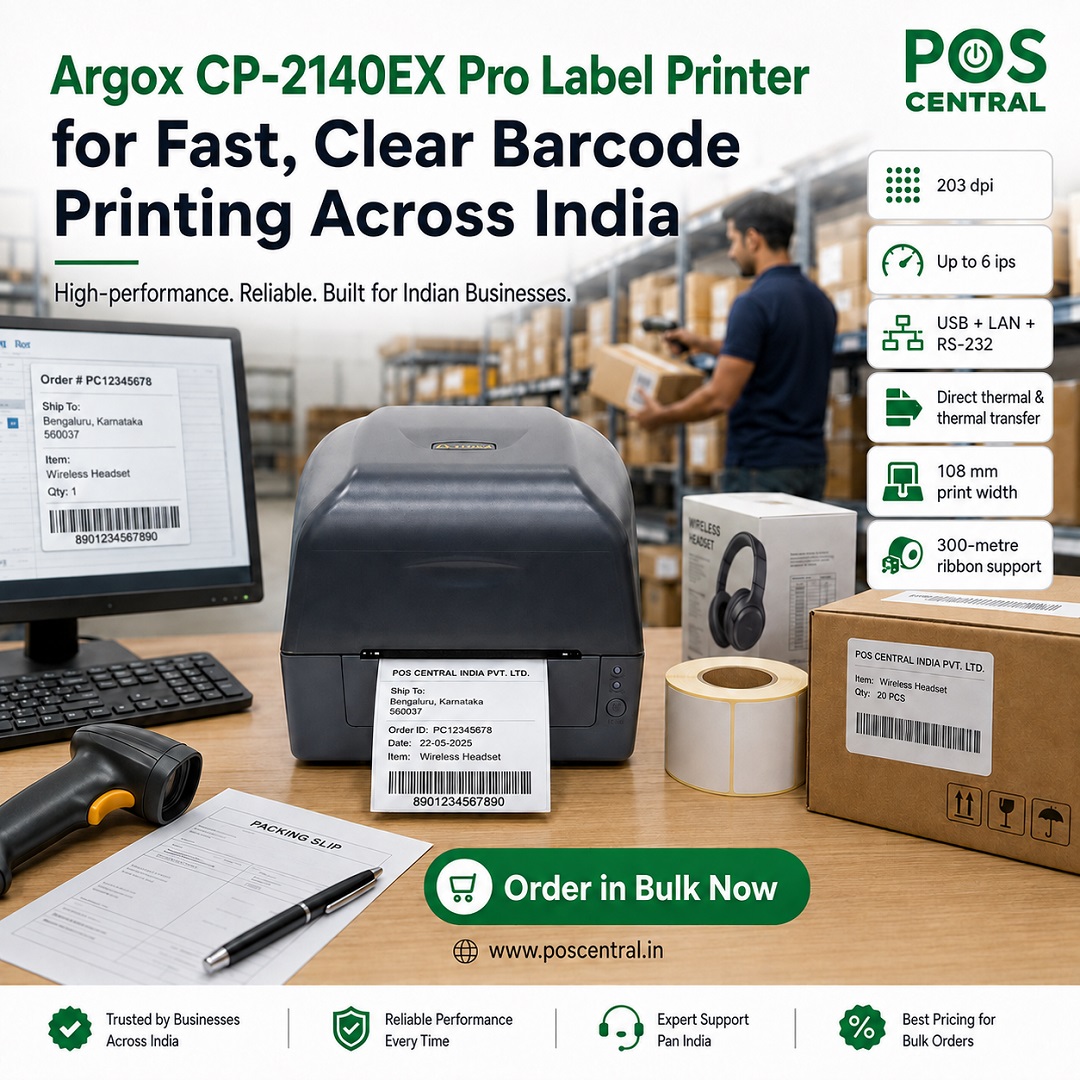
A POS system is a combination of hardware and software used to complete customer transactions and manage business activities. It usually includes a touchscreen terminal, billing software, barcode scanner, receipt printer, and cash drawer.
When a customer purchases a product, the employee scans its barcode or selects it on the screen. The system calculates the total amount, applies available discounts, records the payment, and updates the sales information. Depending on the software, it can also adjust stock records automatically.
Modern point of sale systems do more than process payments. They help businesses understand sales activity, monitor inventory, and organise everyday tasks from one place.
How Are POS Systems Changing Retail Operations?
Retailers handle several activities throughout the day, including billing, stock management, returns, and customer enquiries. Managing these tasks manually can lead to mistakes and delays.
A retail point of sale system brings important activities together. For example, when a customer purchases a product, the system can record the transaction and update the available stock. Store employees can also check product prices, review sales records, and process returns more easily.
Other benefits include:
- Faster billing: Barcode scanning reduces manual product entry.
- Better stock control: Retailers can check available quantities and identify products that need restocking.
- Accurate sales records: Digital transaction records make daily sales reviews easier.
- Simpler returns: Staff can refer to previous transactions when handling eligible returns.
- Improved customer service: Faster checkout allows employees to spend more time helping shoppers.
These features make POS systems retail businesses can use an important part of organised store management.
How Do Digital Payments Influence POS Technology?
Customers in India increasingly use UPI, debit cards, credit cards, and other digital payment methods. Retailers need convenient ways to accept different payment options without making checkout complicated.
Modern POS setups can work with compatible payment terminals and billing applications to support digital transactions. They also help maintain payment records, making it easier for businesses to review completed sales.
Contactless payments and quicker checkout processes are also influencing how retailers plan their billing counters. However, payment options depend on the software, payment provider, and hardware compatibility.
How Do POS Systems Help Manage Inventory?
Inventory management is one of the most important responsibilities in retail. Selling popular products without tracking stock can lead to shortages, while ordering too much stock can increase storage costs.
A POS system can connect sales records with inventory information. When an item is sold, the available quantity can be updated automatically if the system supports this feature.
Retailers can use these records to:
- Identify fast-selling and slow-moving products.
- Monitor stock levels.
- Plan product purchases.
- Review sales across different periods.
- Reduce errors caused by manual stock entries.
For businesses with multiple outlets, suitable POS software can also provide a combined view of stock and sales across locations.
Where Are Point of Sale Systems Used Beyond Retail?
POS technology is useful across several industries, although the required features differ according to daily operations.
Restaurants and cafés: Point of sale systems for restaurants help manage orders, billing, menu items, and payment collection. Suitable systems may also connect with kitchen printers and customer displays.
Hospitals and healthcare facilities: Point of sale systems for hospitals can support billing at pharmacies, hospital stores, and other payment counters. They should be selected according to the facility's billing and record-management requirements.
Small businesses: Point of sale systems for small business owners can simplify billing, sales tracking, and stock management without relying entirely on handwritten records.
Supermarkets: Barcode scanning, product pricing, and quick billing help employees manage busy checkout counters.
What Should Businesses Consider When Choosing POS Systems in India?
The best POS systems in India are not necessarily the most expensive or feature-heavy options. Businesses should consider their actual requirements before selecting equipment.
Important factors include:
- Business type: A supermarket, restaurant, and clothing store have different billing requirements.
- Screen and usability: Employees should be able to operate the terminal comfortably.
- Connectivity: Check available USB, LAN, Wi-Fi, or Bluetooth connections as required.
- Peripheral compatibility: Confirm support for barcode scanners, receipt printers, and cash drawers.
- Software requirements: Check whether the software supports inventory, sales reports, and other essential activities.
- Service and warranty: Consider product warranty, technical support, and maintenance availability.
Businesses should also check whether the system can handle their expected transaction volume and whether it can expand as operations grow.
What Does the Future Hold for POS Systems?
The future of retail will involve more connected and flexible payment and business-management tools. Mobile POS devices may allow employees to assist customers and complete transactions away from fixed billing counters. Self-service kiosks can help shoppers place orders or complete selected transactions independently.
Cloud-based systems may also make it easier for business owners to review sales and stock information across multiple locations, subject to internet access and software support.
Another important development is the growing use of automated sales reports. These reports can help retailers identify purchasing patterns, understand product demand, and plan stock more effectively.
POS systems are becoming an important part of modern retail because they connect billing, payments, inventory, and sales information in one organised process. As businesses grow, choosing suitable equipment and software can make daily operations easier and improve the customer checkout experience. Understanding business needs, compatibility, and future requirements is essential when evaluating POS solutions. Businesses exploring different options can refer to POS Central India to understand the available POS hardware and related equipment.
Frequently Asked Questions
1. What is the main purpose of a POS system?
A POS system records customer purchases, processes payments, and helps businesses manage sales and inventory. Depending on the software, it can also support returns, reports, and other daily activities.
2. Are POS systems suitable for small shops?
Yes. Small shops can use POS systems for billing, product tracking, and sales records. The right option depends on the shop's size, budget, transaction volume, and software requirements.
3. Can a POS system manage inventory automatically?
Many modern systems can update stock quantities after a sale. However, this depends on the inventory features available in the connected software.
4. Do POS systems support digital payments?
Compatible POS setups can support UPI, card payments, and other digital payment methods through supported payment applications or terminals.
5. What equipment is needed for a retail POS setup?
A typical setup may include a POS terminal, billing software, barcode scanner, receipt printer, and cash drawer. The exact requirements depend on the business.
6. Can one POS system manage multiple stores?
Some POS solutions support multiple outlets and centralised sales and inventory records. Businesses should confirm this feature before purchasing.